
Serious growth with playful creativity!
Michelle Hess

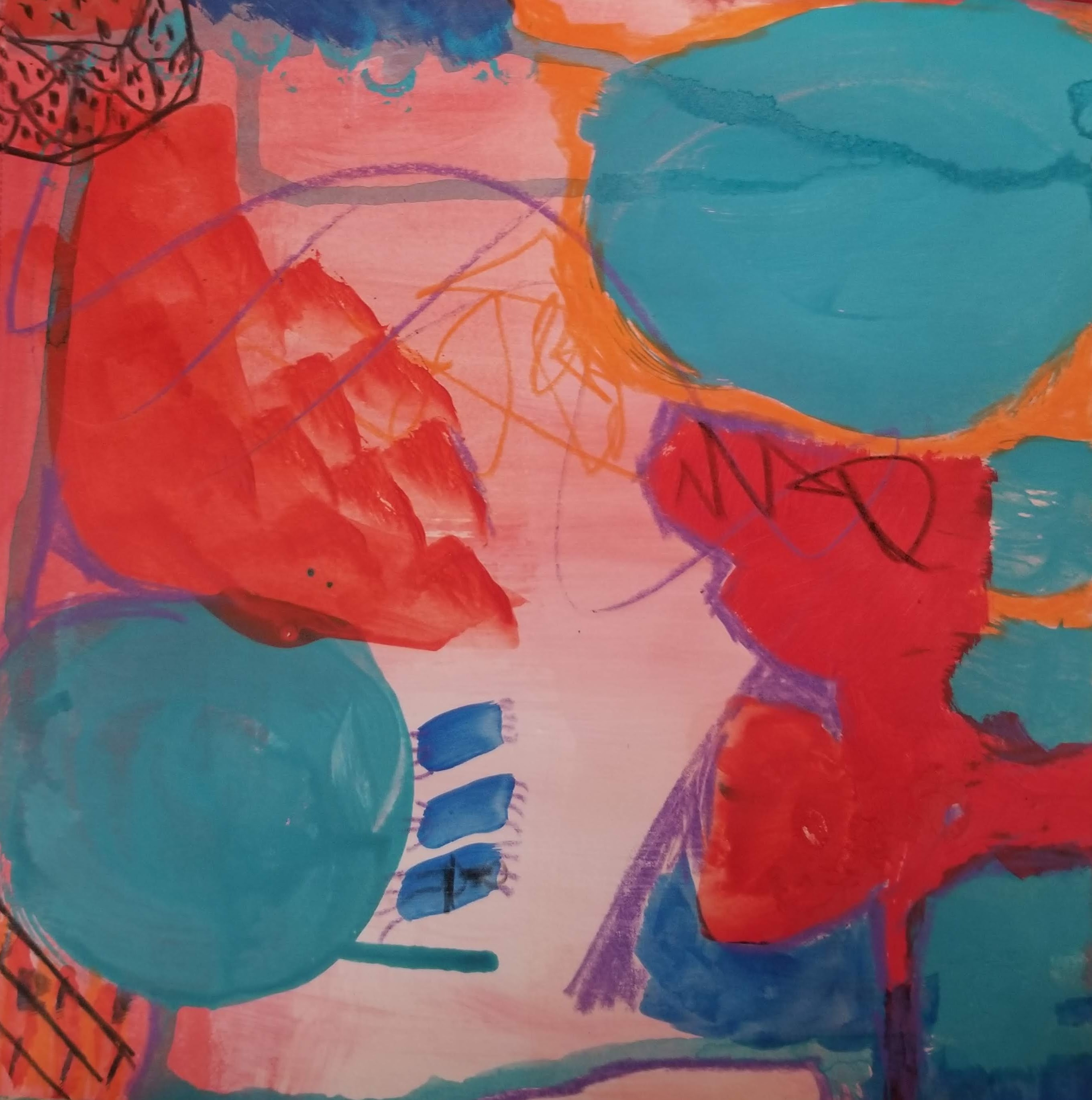
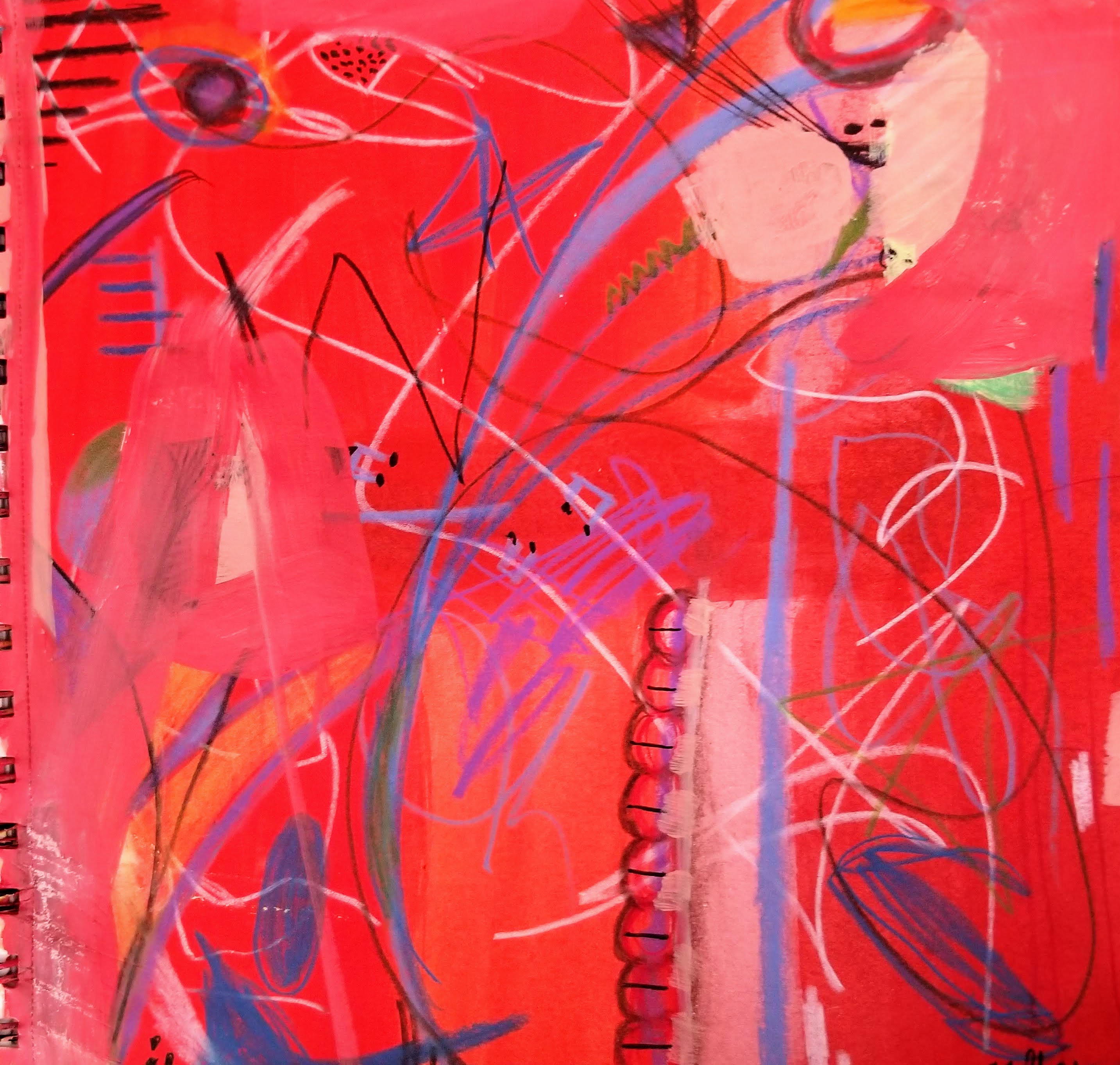

Artful Embodiment Experience
Artful Embodiment uses process art materials, visual journaling & movement to explore emotional responses that can release blocks, calm inner critics, uncover self sabotage, increase confidence and courage.
No talent or experience required—just a willingness to be open and play.
When we work together you learn how to remove the need to prove yourself as your inner motivation. So often, we expect perfection of ourselves. We equate our value with how well we do things.
Can you relate to this?!
Process art helps us release fear, anxiety, limiting beliefs & traumas that are held in our body. We discover how to unblock whatever is holding us back through allowing our subconscious to speak through our creativity, while opening us up to curiosity, wonder and play.
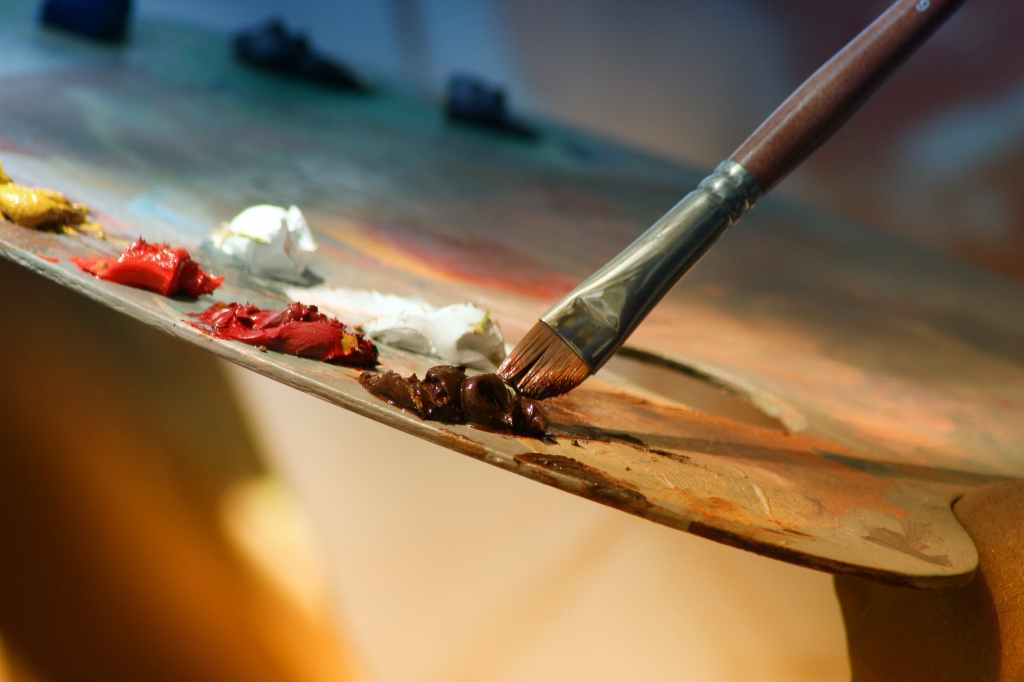
We have a live monthly sessions where we explore a certain theme creatively that will facilitate personal healing and growth. These classes involve music, art, laughter, reflection, group encouragement, using many tools and modalities that Michelle is especially trained in.
If for some reason you can’t make a live session, it will be recorded and you can share your insights, pictures, questions or anything else that comes up for you in the Facebook group. ***
So why art? Why movement? Why embodiment?
Let’s start with the first one. Why art?
Visual images can hold more information that we can get a hold of all at once like a gestalt, which can bypass our rational mind.
You’ve heard of the phrase a picture is worth 1000 words, right? Well that’s what art is about.
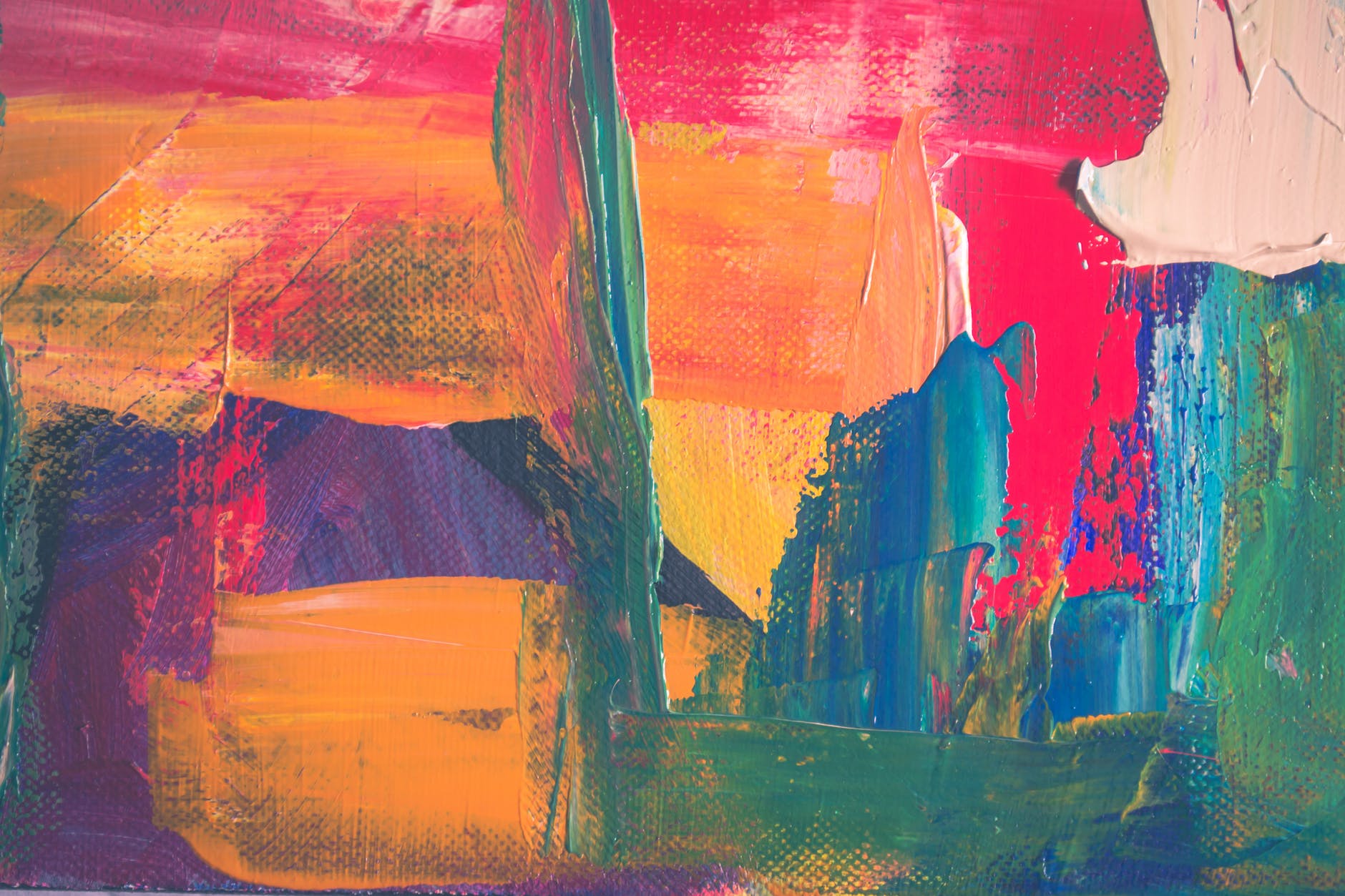
Working with images, symbols and signs can help us to access parts of our unconscious mind that may be grappling with issues. Art can also help us hold paradoxes, things that seem contradictory, that can cause a lot of cognitive dissonance on the thinking level for us, but through art can be processed in a holistic way.
In this way, Art can help us immediately at times when conscious thought and words may fail us. Art therapists, Suzann Darley and Wende Heath, tell us that, “Art is deep education.”
”Art is deep education.”
Darley & Heath
When we play with art and aren’t working on trying to create something beautiful (or a piece of “fine” art), we allow for the release of perfectionism. We open the gates of self knowledge and understanding that can move us towards wholeness.
Our culture teaches us emotional MISmanagement and this process can help build the resilience needed for healthy emotional regulation.
And allow me to mention our innate resistance to change.
We might consciously desire change, but our inner protectors might have other ideas. One of my mentors says that resistance is like holding the door really tightly against that change.
Art, creativity and movement help us open that door to those trapped emotions. Plus, resisting is exhausting! Allowing emotional release through Artful Embodiment can give us renewed energy.
Many people think they can’t do work like this because they tell themselves are not creative, they aren’t artists, they can’t even draw stick figure, etc.
And I get this.
Even though I wrote poetry most of my life, I constantly told anyone who would listen that I was not creative, that I couldn’t draw, that I had no visual art talent at all. And even if that were all true that would be fine.
I don’t need any talent to do process art and neither do you! (But, I was wrong; we all are creative)
You just might find along the way of playing with paint and pencils, or clay and collage, that your creativity blossoms. That doesn’t mean you’ll become a van Gogh, but you might discover that you enjoy creating and actually find your image is pleasing to you. Even if this doesn’t happen, If you think your images are subpar, it is irrelevant!
The purpose of your creations is expression, understanding, healing and growth. And as those things happen, no matter what your images look like artistically, you will value them for what they are and will be able to look at them with appreciation and compassion for yourself.
I will not rescue you
for you are not powerless.
I will not fix you
for you are not broken.
I will not heal you
for I see you, in your wholeness.
I will walk with you through the darkness
as you remember your light.
A medicine woman’s prayer
Now, let’s look at that movement and embodiment piece for a second:
Why movement? Why embodiment?
Most of us are pretty out of touch with our bodies. When asked to feel a sensation in our bodies many of us are numb and can’t identify what’s going on. This is just a sign of our times and survival strategies.
Life is stressful normally, but the dumpster-fire of 2020-21 has pushed most of us to the LIMITS of our capacities!
Embodiment helps us re-inhabit ourselves.
”Movement is the doorway to learning.”
Paul Dennison
Paul Dennison, founder of Brain Gym Educational Kinesiology—in which I’m trained—states that, ”Movement is the doorway to learning.” Our bodies are part of our personhood. We can only exist as spiritual beings entwined in physicality. And we were created to move. This statement does not assume we are all able bodied. We move how we can. Sometimes we need assistance, sometimes our movements are large and energetic; other times, small and calm (or reversed).
We use small integrative and grounding embodiment practices before and after creating art. But also, remember that the act of doing art is an embodiment practice. You are focused on what you are doing, which is a mindful and centering activity involving your physical body.
Inventive play, movement and creativity are very effective at creating lasting change for the reasons mentioned above about accessing the unconscious. Process art allows you to observe your thoughts, emotions and behaviors to see HOW they contribute to manifesting your results.
Within the act of creating during a process art embodiment session you can embody compassion, mindfulness and gentleness with your inner work to create those changes you’ve been wanting to make in your life.
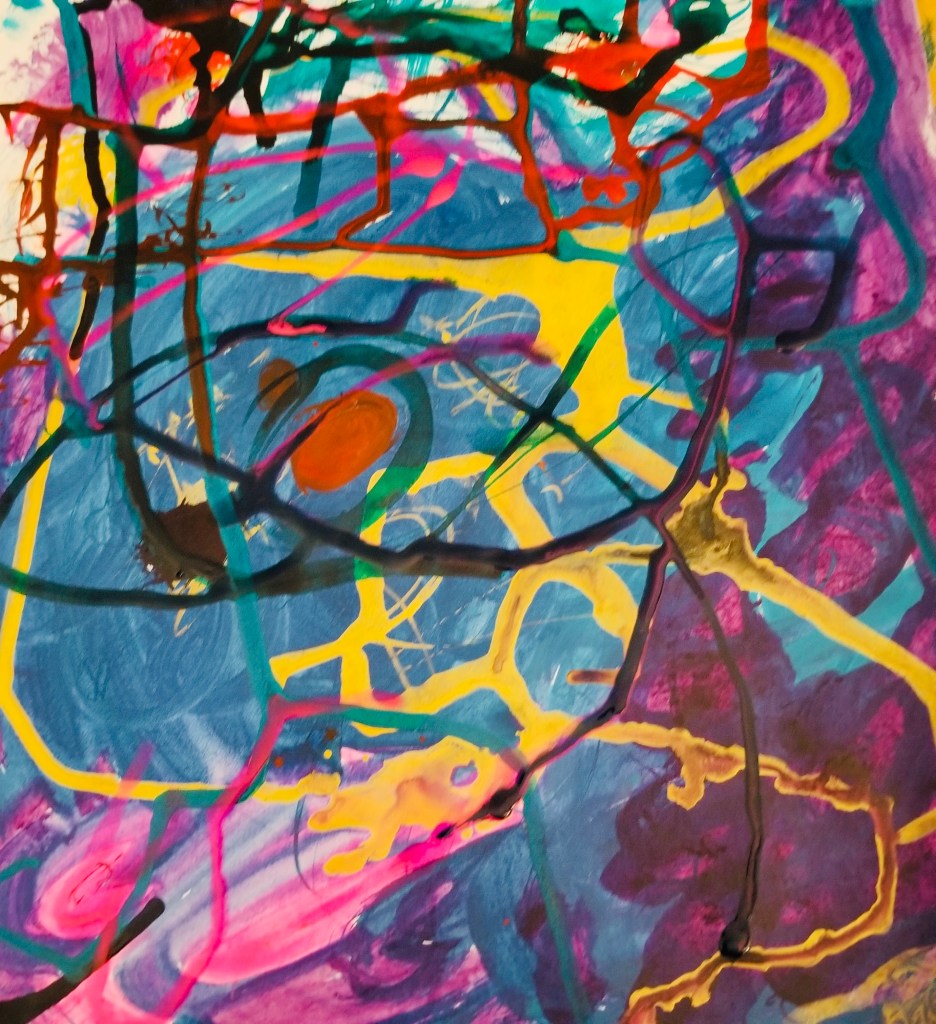


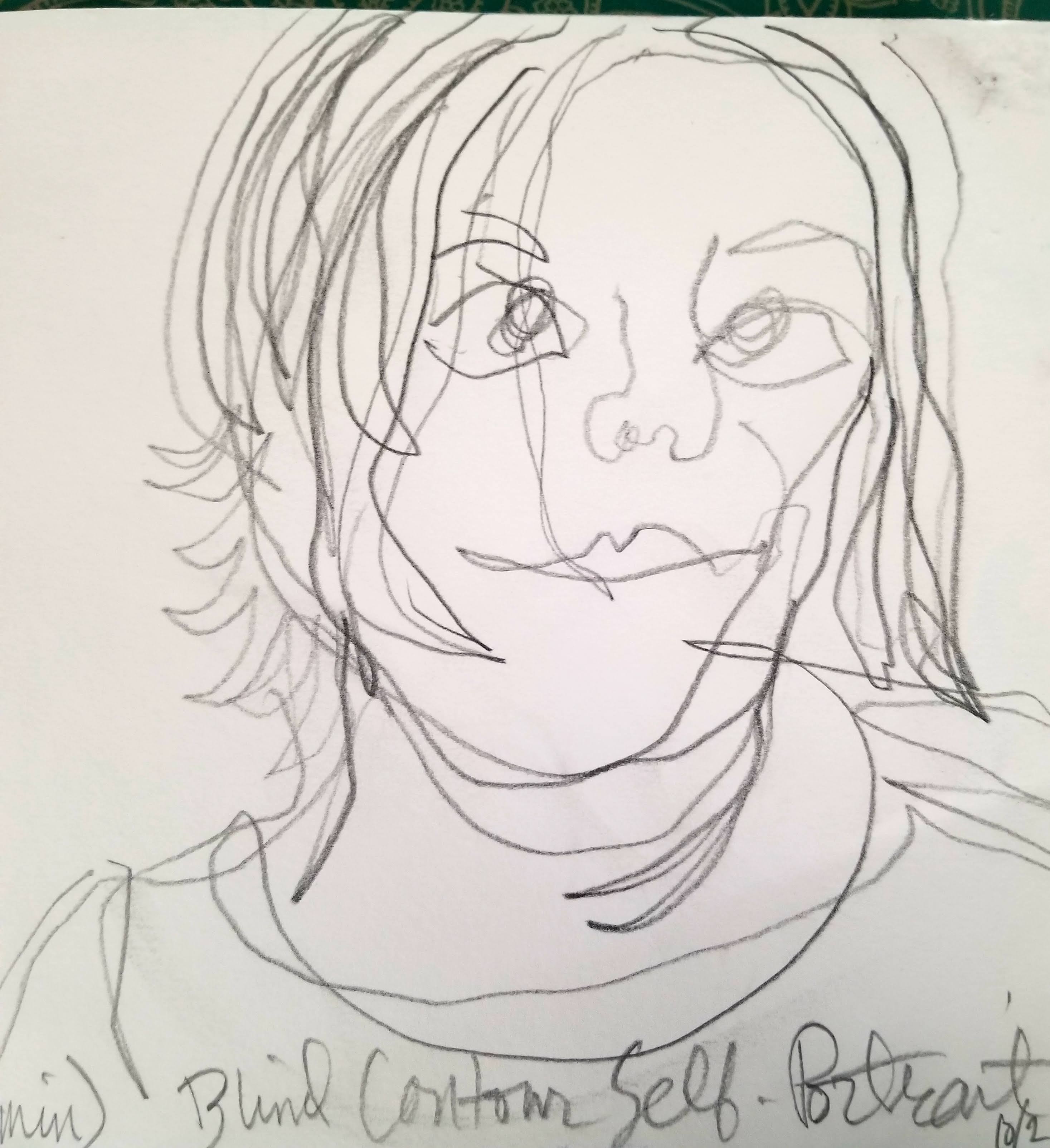
(Full disclosure: You don’t have to “like” what you create. Part of the process is dealing with the challenge of our critical mind. For example, I don’t like the above, on one hand, because the proportions are all wrong for my face. I have to learn to let go of the self criticism. That is part of the process!)
Ready to come play?

***(You do not need to use Facebook if you are adamantly against it, but at this time the ongoing group discussion will be in that format. If you need help getting an account just so you can be in the group please let us know, we’re happy to help with that. You don’t have to do anything else on Facebook other than be in the group!)
 Michelle Hess, M.A
You must be logged in to post a comment.